
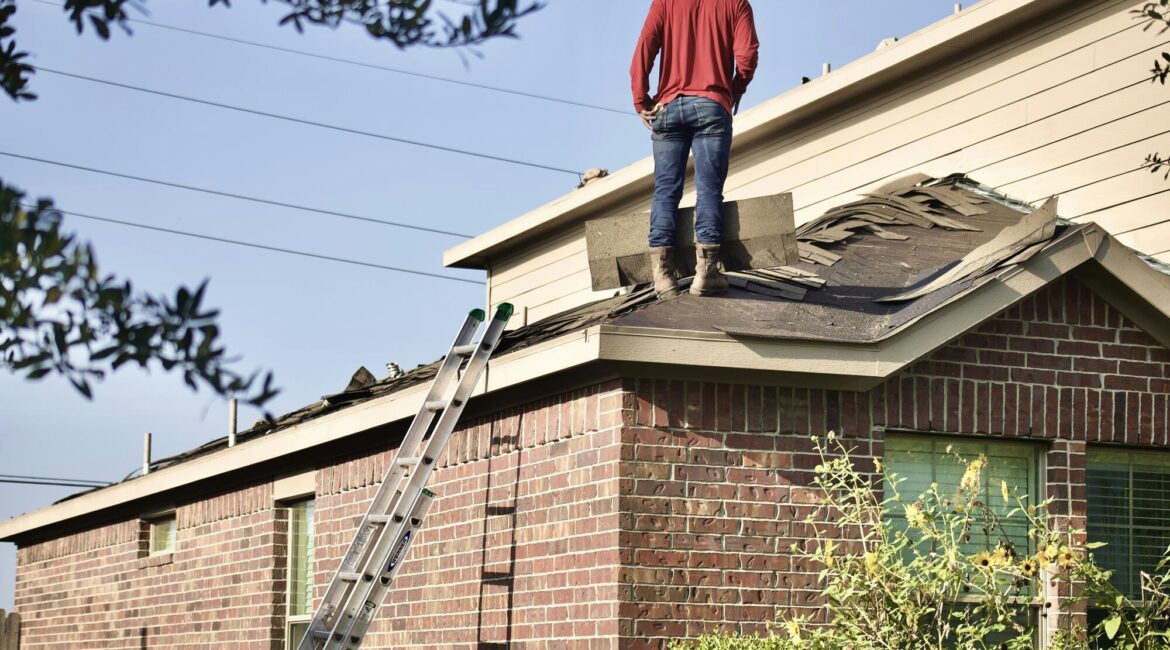
Preventative roof maintenance is all about keeping your roof in good condition to prevent roof damage. It often involves inspections, gutter cleaning, and minor repairs.
Without preventative maintenance, you risk running into legal troubles, such as creating safety hazards for visitors and insurance complications. Failure to correct an ongoing roof issue in a timely manner may result in your insurance provider refusing to cover the cost of repairs. You should learn what goes into maintenance and what parts of it you can handle on your own.
Here’s everything a property owner should know about preventive roof maintenance.
What Is Preventative Roof Maintenance?
Preventative roof maintenance is a key part of extending roof longevity. It refers to the routine inspection, cleaning, and repair of roofing systems to keep them functioning properly and to reduce the likelihood of major damage.
Some roof care essentials include checking shingles, gutters, and drainage systems. Contractors also look for signs of moisture intrusion, storm damage, and sagging. One of the biggest goals is to prevent roof leaks, as even a small leak can lead to damage to insulation, mold growth, and rotted wood.
Common Components of Preventative Roof Maintenance
Roof maintenance tips will vary depending on your specific type and the seasons your area goes through. Most roof maintenance programs involve several important tasks that work together to protect the entire system. Regular roof maintenance and regular inspections form the backbone of any preventive maintenance plan.
Roof Inspection
Routine roof inspection services are the foundation of any maintenance plan. During an inspection, roofing professionals evaluate the condition of the roof surface, seams, and flashing. They also look at the underlayment, vents, and drainage systems. They pay special attention to roof vents, pipe boots, and roof valleys, since these roof penetrations are common leak points.
Inspectors look for:
- Missing or damaged shingles
- Cracked flashing
- Pooling water
- Signs of mold or algae
- Soft sports or sagging areas
- Debris accumulation
Gutter and Drainage Cleaning
Clogged gutters are one of the most common causes of roofing problems. Leaves, twigs, and other bits of debris can block water flow and cause moisture to back up under roofing materials.
Proper drainage is essential to prevent roof leaks and water damage. Maintenance crews typically clear gutters, downspouts, and roof drains to ensure water flows away from the structure. Clearing the drains on a regular schedule keeps a well-maintained roof free of standing water.
Flashing and Sealant Checks
Flashing protects vulnerable roof areas around chimneys, skylights, and valleys. Over time, flashing may loosen or corrode, allowing water intrusion.
Sealants around penetrations can also crack or deteriorate due to UV exposure and weather changes. Resealing or replacing damaged flashing materials can prevent issues later on. Keeping flashing securely attached is key to preventing leaks and further damage around these penetrations.
Debris Removal
Branches, leaves, and standing debris can trap moisture against roofing materials. Over time, trapped moisture accelerates deterioration and may contribute to rot or algae growth.
Removing debris is one of the simplest but most effective things you can do for your roof’s health.
Minor Repairs
Small repairs are a key part of preventative care. Replacing a few shingles or sealing a tiny crack is far less expensive than dealing with major water damage later. Catching minor issues early saves money, since reactive repairs after a failure usually cost far more.
Roofing professionals may repair:
- Loose shingles
- Small punctures
- Minor membrane damage
- Damaged flashing
- Open seams
Roof Care Essentials for Different Roof Types and Seasons
Different roofing materials require different maintenance strategies. The same applies to varying seasons, such as with hot summers and frigid winters.
Asphalt shingle roofs require regular inspections for curling, cracking, or missing shingles. Inspectors check metal roofs for rust, loose fasteners, and coating wear.
Flat roofs are vulnerable to drainage issues, which can accelerate membrane deterioration. Tile roofs can crack due to impact or shifting and might require replacement. A commercial roof often needs a more involved schedule than most residential roofs, simply because of its size and foot traffic, so proactive roof maintenance pays off even more on larger buildings, where snow load and ice dams add stress in winter.
During the summer months, high temperatures and UV exposure can weaken roofing materials over time. Snow and ice dams can stress roofing systems in the winter, which requires immediate intervention.
What Is the 25% Rule for Roofing?
The 25% rule for roofing refers to how much of your roof you should repair before considering a full replacement. In the past, the limit was 25% in places like Florida, though that number has changed in recent years. With that said, the rule can still help you decide on how to move forward when dealing with sudden damage that threatens the structure of your entire roofing system. Local building codes can also influence how much damage triggers a full replacement, especially when structural damage starts to threaten safety.
Benefits of Preventative Roof Maintenance
The many benefits of preventative roof maintenance include reduced repair costs and improved energy efficiency. Preventive care minimizes unexpected expenses and prevents wasted energy on cooling your home. Preventative roof maintenance is a cost effective investment, and this kind of proactive maintenance protects roofing materials and keeps energy efficiency high year after year.
You can also expect better property value and an extended roof lifespan. Potential buyers will like that you’ve taken good care of your property.
Frequently Asked Questions
How Often Should You Perform a Roof Inspection?
Most experts recommend scheduling a professional roof inspection at least once or twice per year. Additional inspections are often recommended after severe storms, hurricanes, or strong winds.
Can Preventative Roof Maintenance Really Stop Leaks?
While no maintenance plan can guarantee a roof will never leak, regular care can reduce the risk. Identifying damaged shingles, cracked flashing, or drainage problems early helps prevent roof leaks before they spread.
Is Roof Maintenance Necessary for Newer Roofs?
Yes. Even newer roofing systems benefit from inspections and routine care. Small installation issues or weather damage can still occur during the early years of a roof’s lifespan.
What Are the Signs a Roof Needs Maintenance?
Common warning signs include water stains on ceilings, missing shingles, or clogged gutters. You may notice sagging areas of your roof or ceiling, mold growth, or visible cracks around flashing and vents.
Never wait for things to get worse. Call in a roofing expert as soon as you notice these abnormalities.
Do Commercial and Residential Roofs Need Different Maintenance?
Yes. A commercial roof, which is usually flat and large, needs a maintenance program with more frequent inspections than most residential roofs. Both still benefit from regular roof maintenance, but a commercial roof tends to have more drains, penetrations, and foot traffic to inspect and maintain over its life.
Extend Roof Longevity With These Steps
At first, preventative roof maintenance may seem pointless if your roof only has minor issues to correct. However, you’re likely saving a lot of time and money right now by avoiding catastrophic issues later on, such as extensive water damage or a roof collapse. It’s better to get ahead of these problems and develop a strong relationship with your roofing contractors when you can.
North End Contracting has years of experience working with homeowners in the Saint Paul area. We offer roof repair, replacement, and installation in a variety of material types. Reach out with any questions and to request a quote on your upcoming project.