
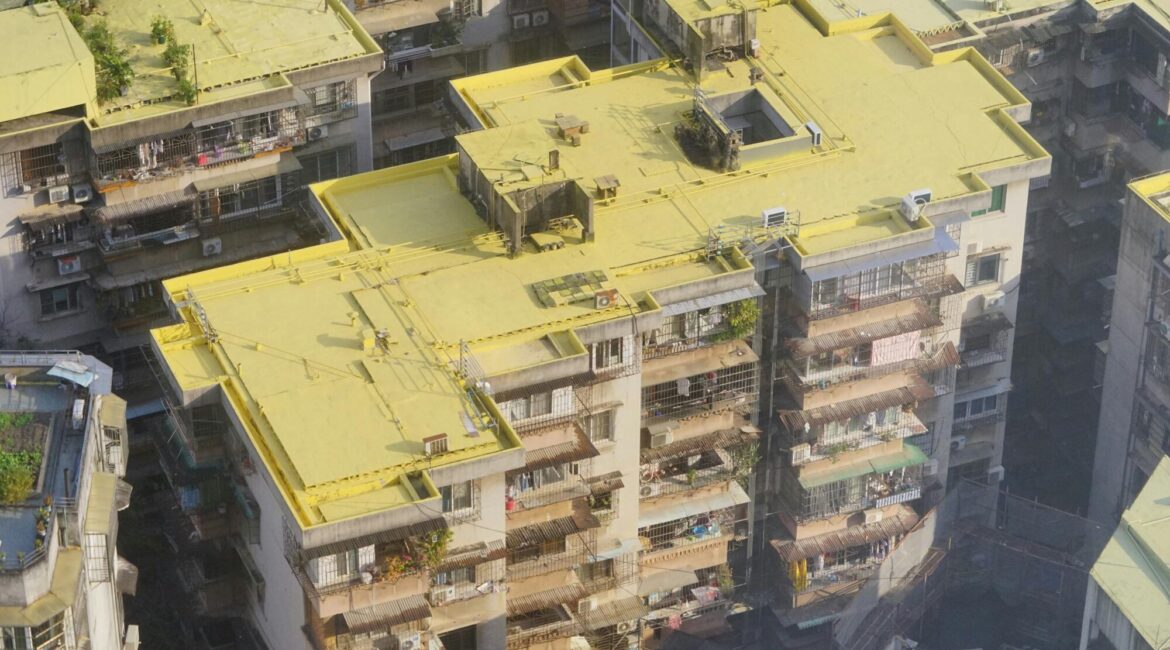
Choosing between flat roof replacement and repairs often comes down to the extent of the damage and the property owner’s budget. In many cases, a full replacement can save money in the long run but requires a more significant initial payment.
In the United States, flat roofs are becoming one of the top choices for homeowners. This is partly because of the sleek aesthetic as well as creating rooftop living areas. However, maintaining these roofs is crucial for avoiding problems like pooling water.
Here’s how to make a more informed decision about whether to replace or repair your flat roof.
Understanding the Importance of Flat Roof Maintenance
Regular flat roof maintenance is one of the most effective ways to extend the life of a roofing system. Unlike sloped roofs that shed water by default, flat roofs are more prone to pooling water and drainage issues. Over time, moisture can weaken the roofing membrane and create cracks, blisters, and leaks. Good drainage systems and proper drainage are the first line of defense, since they prevent water accumulation that slowly degrades the membrane.
Common Signs Your Flat Roof Needs Attention
Flat roofs seldom fail without warning. There are often visible signs that indicate the roof needs repairs or replacement.
One of the most common indicators is water intrusion inside the building. Stains on ceilings, mold growth, or peeling paint often point to moisture problems above. Ponding water that lingers for days and frequent leaks are clear roof issues that call for prompt attention.
Other warning signs include:
- Standing water after rainfall
- Cracked or blistering roofing material
- Loose seams or flashing
- Sagging areas
- Increased energy bills due to poor insulation
Is It Better to Repair or Replace a Flat Roof?
The answer depends on several factors, including the age of the roof, the extent of the damage, and the property owner’s long-term goals. In many cases, you can repair minor leaks or isolated damage without replacing the entire system.
Repairs are often the better option when:
- You own a newer roof
- Damage is limited to a small section
- The membrane is structurally sound
- Leaks are infrequent and easy to locate
Repairing flat roof leaks quickly can prevent water from spreading into insulation, decking, and interior structures. Flat roof replacement becomes the smarter investment when the roof reaches the end of its expected lifespan or requires frequent and costly repairs. If repairs keep piling up, it may be time to replace your flat roof with a new flat roof that comes with a fresh warranty.
Evaluating the Cost of Flat Roof Repair
The cost of flat roof repair varies depending on the type of roofing material, as well as the size and severity of the damage or issue.
Repairing flat roof leaks may only cost a few hundred dollars, if they’re small. However, more extensive repairs involving water damage or insulation replacement can cost much more.
Labor costs also play a role. Emergency leak repairs during storms or severe weather events are often more expensive than scheduled maintenance work.
By comparison, flat roof replacement cost is higher up front, but on an aging roof it is often more cost effective than paying for repeated repairs. Larger commercial buildings usually see a higher total cost simply because of the surface area involved, so it pays to weigh the long-term numbers before you decide to replace your flat roof.
Exploring Flat Roof Material Options
Choosing the right material for your new roof is an important decision. Different materials offer varying levels of durability, weather resistance, and maintenance requirements.
For example, EPDM is a rubber membrane known for its durability and affordability. It performs well in different climates and resists UV damage.
Built-up roofing (BUR) systems consist of multiple layers of asphalt and reinforcing materials. These offer strong waterproofing capabilities, but can weigh more than newer roofing systems.
TPO roofing, also called thermoplastic polyolefin, and PVC roofing, short for polyvinyl chloride, are popular single-ply systems that reflect heat for strong energy efficiency and resist UV damage. EPDM roofing, the rubber roofing membrane formally known as ethylene propylene diene monomer, stays a favorite for its low cost and easy repairs.
Modified bitumen and built-up roofing remain solid choices for buildings that need extra toughness, and modified bitumen layers can be torch-applied or self-adhered. Reflective roof coatings add another option, extending the life of many flat roofing systems without a full tear-off.
Factors That Affect Flat Roof Lifespan
Several factors influence how long a flat roof will last. Climate plays a major role, especially in areas with intense sunlight, heavy rainfall, or snow. Poor drainage can also shorten the roof’s lifespan by allowing standing water to weaken the membrane.
Installation quality is another critical factor. Even the best roofing materials can fail early if they are installed improperly. Choosing experienced roofing professionals is essential for maximizing performance and durability. High quality materials installed properly by a professional roofing contractor will always outlast a cheap job. A careful final inspection at the end of the flat roof installation confirms everything was installed correctly.
In general, expect:
- EPDM to last 20 to 30 years
- TPO to last 15 to 25 years
- PVC to last 25 years
- BUR systems to last 20 to 30 years
Why Do Insurance Companies Not Like Flat Roofs?
Insurance companies often view flat roofs as higher risk compared to sloping roof systems. One reason is that flat roofs are more susceptible to water pooling and leaks. Since drainage is lower on a flat surface, there is a greater chance of moisture damage developing over time.
Flat roofs may also require more frequent repairs, especially in regions with severe weather. Storm debris, snow accumulation, and UV exposure can accelerate deterioration. Insurers recognize that water damage claims from flat roofs can escalate quickly.
Maintaining detailed inspection records and scheduling regular maintenance can help property owners demonstrate responsible roof care to insurers.
Frequently Asked Questions
How Often Should You Inspect a Flat Roof?
Schedule inspections for flat roofs at least twice a year. Aim for the spring and fall, before heavier weather patterns come through.
Additional inspections are recommended after severe storms or heavy rainfall to identify hidden damage. Property owners with roof access can do their own visual inspections between appointments to check for any apparent problems like pooling water.
Can a Flat Roof Leak Without Visible Interior Damage?
Yes. Water can travel beneath roofing membranes and insulation layers before appearing inside the building. Early signs may include subtle odors, minor discoloration, or hidden mold growth behind walls and ceilings.
Are Flat Roofs More Energy Efficient Than Sloped Roofs?
Flat roofs can prove energy efficient when installed with reflective materials like TPO or PVC membranes. These systems help reduce heat absorption and can lower cooling costs during warmer months. Better energy efficiency also translates into lower energy bills over the life of the roof.
How Long Does a Flat Roof Replacement Take?
The timeline depends on roof size, weather conditions, and material type. Most residential flat roof replacements take several days, while large commercial projects may require a few weeks.
How Much Does Flat Roof Replacement Cost?
Flat roof replacement cost depends on the roofing material, the roof size, and how much of the old system has to be removed. A small repair may run a few hundred dollars, while a full replacement on a large commercial roof costs significantly more. Getting a written quote and a free estimate helps you compare the total cost before committing to a new flat roof.
What Does Flat Roof Installation Involve?
Flat roof installation usually starts with tearing off the old roof, repairing the roof deck, and laying a new membrane such as TPO, PVC, or EPDM. Proper drainage is built in to prevent water accumulation, and the crew finishes with a final inspection. A professional roofing contractor will match the flat roofing systems to your building and budget.
Keep Your Flat Roof in Its Best Condition
Flat roof replacement isn’t always the best option for your home, especially if the damage is minor. However, that doesn’t mean you should shy away from a new roof if yours is old and racking up repair costs. Always check in with your roofing contractor to learn more about your options.
North End Contracting specializes in roof repair and replacement, including both metal and flat roofs. We help families in Minnesota sleep soundly knowing the roof over their heads is safe and secure. Reach out with any questions about our services and to schedule an inspection.