
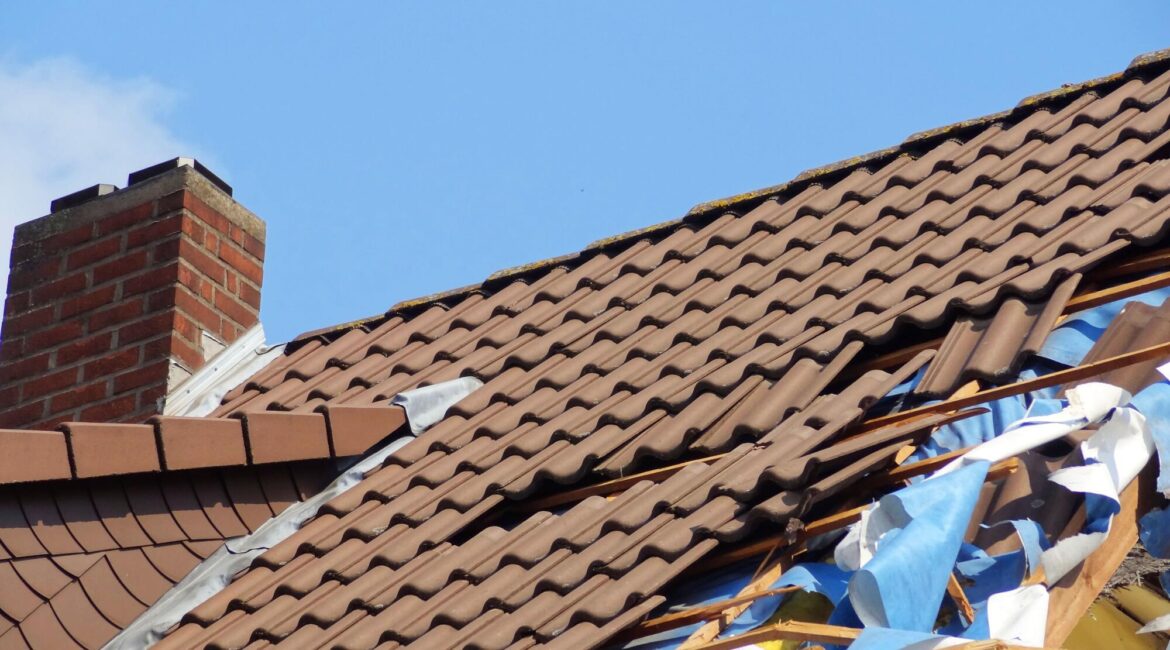
Roof inspections are your first line of defense against costly repairs and insurance disputes. A thorough inspection after severe weather helps you document damage, protect your property, and secure the coverage you deserve.
According to the Insurance Information Institute, wind and hail are among the most common causes of property damage in the United States, costing billions annually. For homeowners, the difference between a fully covered claim and a denied one often comes down to the quality of the inspection.
Your roof is your home’s first line of defense, and a professional inspection is your best protection against unfair claim denials.
Why Are Roof Inspections Critical After Storm Damage?
Storms can cause damage that is not visible from the ground. High winds can lift shingles, creating entry points for moisture. Hail can bruise roofing materials, weakening them over time.
Without a documented professional inspection, these issues can go undetected until they become major problems. This documentation is essential when filing wind damage insurance claims. Insurance companies rely on detailed reports to evaluate claims, and a thorough inspection gives you the evidence you need to support your case.
According to a recent federal rule change, Freddie Mac and Fannie Mae now permit home insurance policies to offer only actual cash value coverage for damaged roofs. This means insurers only cover the depreciated value of roof repairs rather than the full replacement cost. If your roof is older, you could be left paying thousands out of pocket.
What Does a Professional Post-Storm Inspection Include?
Comprehensive roof inspections go far beyond a quick visual check from the ground. Professional inspectors follow a systematic approach to identify all types of storm-related damage.
Roof damage documentation begins with a thorough exterior examination. Inspectors check for missing, cracked, or curled shingles. They look for signs of wind damage, such as lifted edges or creased shingles. They also inspect flashing, vents, and chimneys for damage.
Interior inspections are equally important. Water stains on ceilings, mold growth, or peeling paint can indicate leaks that started during the storm. A complete inspection covers both the exterior and interior to provide a full picture of the damage.
How Do Roof Inspections Help With Insurance Claims?
Filing a storm damage claim can be a complex process. Insurance companies have their own adjusters who evaluate damage, and their assessments do not always align with what homeowners believe is covered. A professional inspection puts the power back in your hands.
Your inspector’s report serves as an independent, third-party assessment. It provides detailed documentation of all damage, including photographs, measurements, and material estimates. This report becomes a critical tool during insurance adjuster negotiation.
When you have a professional inspection report, you are not relying solely on the insurance company’s adjuster. You have your own evidence to support your claim. This can make the difference between a claim that is approved and one that is underpaid or denied.
Your claim is only as strong as the evidence you provide.
What Should You Do Immediately After a Storm?
The actions you take in the hours and days after a storm can significantly impact your ability to file a successful claim. Storm damage repair starts with the right steps immediately after the event.
Take these actions to protect your property and your claim:
- Document visible damage with photos and videos
- Cover any exposed areas with a tarp to prevent further water intrusion
- Contact a professional roofing contractor for a comprehensive inspection
- Keep all receipts for temporary repairs or mitigation efforts
- File your insurance claim promptly, but wait for the inspection report before signing anything
Why Choose North End Contracting for Your Roof Inspection?
When your insurance claim depends on the quality of your inspection, you need a team with experience, expertise, and a commitment to your best interests.
Our team understands the local weather patterns and the specific types of storm damage common to Minnesota. We provide thorough, honest assessments that help you make informed decisions about your property.
We believe in transparency and integrity. Our inspections are thorough, our reports are detailed, and our recommendations are always in your best interest. Whether you need a simple repair or a full replacement, we guide you through every step of the process.
Frequently Asked Questions
How Soon After a Storm Should I Schedule a Roof Inspection?
Schedule your inspection as soon as it is safe to do so. Waiting too long can give your insurance company reason to deny your claim, and hidden damage can worsen over time. Most policies require claims to be filed within a specific timeframe, so prompt action is essential.
How Often Should I Schedule a Roof Inspection?
Most homeowners should schedule roof inspections at least once a year, plus additional inspections after major storms, hail, or heavy snow. Routine roof maintenance and regular inspections catch small problems early, extend your roof’s lifespan, and reduce the risk of costly leaks or water damage.
What Does a Full Roof Inspection From a Roof Inspector Include?
A full roof inspection is far more detailed than a quick visual check. Our professional roof inspectors examine the shingles, flashing, gutters, and attic, then compile a written report with photo documentation and condition ratings. A qualified roof inspector uses these thorough roof inspections to catch early signs of damage that a ground-level glance would miss, giving you a clear picture of your roof’s integrity.
How Can I Tell If My Roof Has Storm Damage?
Signs of storm damage include missing shingles, cracked shingles, dents on gutters or downspouts, granule loss in gutters, water stains on ceilings, and visible dents on roof vents or flashing. A professional inspection is the only way to identify all damage accurately.
What Are the Early Signs I Need a New Roof After a Storm?
Early signs that you may need a new roof include widespread missing shingles, missing pieces of flashing, heavy granule loss, and interior water damage. When storm damage covers most of the surface, a replacement often costs less than repeated repairs. Spotting these early signs quickly helps you avoid larger, more expensive repairs later.
Why Does a Detailed Report Matter for a Storm Damage Claim?
A detailed report turns your inspection into usable evidence. It documents every finding with photos, measurements, and condition ratings, which insurance adjusters rely on when they assess a storm damage claim. Without a detailed report, it is far easier for an adjuster to underpay or deny your coverage.
What If My Insurance Adjuster Disagrees With the Inspection Report?
If your insurance adjuster’s assessment differs from your inspection report, you have options. Request a reinspection, provide your contractor’s documentation, and consider hiring a public adjuster if necessary. Your inspection report is your evidence, and you have the right to dispute unfair assessments.
How Much Does a Roof Inspection Cost, and Will Insurance Cover It?
The roof inspection cost depends on your roof size, pitch, and location, though many roofing companies offer a free inspection after a storm. Some insurance policies also cover the inspection as part of the claims process, and in many cases the inspection fee is included in the overall claim. Check your policy details or ask your roofing contractor about inspection pricing before booking.
Do I Need a Roof Certification or a Home Inspector Before a Real Estate Transaction?
Before any real estate transaction, a roof certification gives buyers and sellers added confidence in the roof’s condition. A general home inspector or certified home inspectors may note obvious issues, but a dedicated roof inspection provides a detailed assessment of the roof’s remaining lifespan. This is especially valuable if you plan to sell your house or the property may need a new roof soon.
Can You Inspect Commercial Roofs After a Storm?
Yes. Alongside residential homes, our roofing contractor team also inspects commercial roofs throughout the Minneapolis-St. Paul area. Commercial roofs face heavy snow loads and high winds, so regular inspections help catch damage early and stop small problems from turning into expensive repairs.
Protect Your Home With a Professional Roof Inspection
Roof inspections are essential after any major storm event. They document damage, support insurance claims, and help you avoid costly surprises down the road. With the right inspection and documentation, you can navigate the claims process with confidence and secure the coverage you deserve.
North End Contracting specializes in roof inspections, storm damage repair, and insurance claim support for homeowners throughout the greater Minneapolis-St. Paul area. Our experienced team provides thorough, honest assessments and detailed documentation to protect your investment.
Schedule your free onsite inspection today and take the first step toward protecting your home and your peace of mind.