
Searching for the “best roofing contractors near me” is a smart, proactive step for Minnesota winter roof prep. Hiring experienced contractors for local winter services prepares your roof now for the harsh winter conditions ahead.
According to The Farmer’s Almanac, Minnesota averages 49.6 inches of snowfall per year. That makes it one of the snowiest states in the country. Heavy snowfall puts significant pressure on a roof that requires careful evaluation as winter approaches.
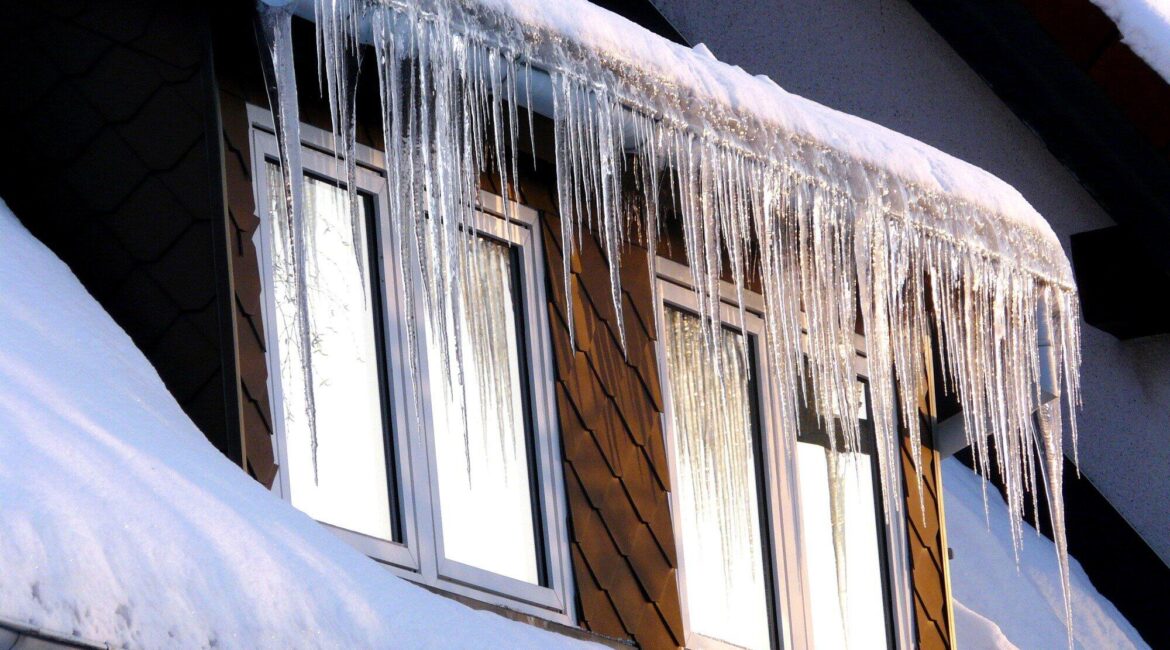
A professional inspection can also aid in preventing ice dams. Contractors help find ventilation issues prior to freezing temperatures setting in.
Knowing the roof’s condition before winter arrives gives homeowners a better basis for planning their seasonal maintenance.
What Roof Inspection Steps Should Be Part of Minnesota Winter Roof Prep?
Most residential roofs are designed to withstand typically 20 pounds per square foot before they become stressed (Centre Daily Times). However, state and local building codes dictate the required snow load for new construction in your specific area.
This is especially true in Minnesota, where snowfall weight on roofs can be much higher, sometimes 30 to 40 pounds per square foot or more.
Minnesota winter roof prep should begin with a complete professional evaluation of the roof’s condition. An inspector can assess areas where snow and ice could create problems, including:
- Flashing
- Seals
- Roof penetrations
- Attic ventilation
- Gutters
- Downspouts
Attic ventilation deserves attention because poor airflow can contribute to condensation. Gutters and downspouts should receive a check for drainage issues.
Inspectors can document concerns and recommend maintenance based on the roof’s condition before winter weather arrives across the state each year.
How Do You Choose the Best Roofing Contractors Near Me for Winter Work?
Choosing the “best roofing contractors near me” starts with local experience. Look for contractors who understand Minnesota’s winter weather and have a strong record with residential roofs. Minnesota requires residential roofers to hold a state license, so confirm this first.
Before hiring, verify their:
- Licensing
- Insurance
- Warranties
- Recent customer reviews
- Winter roofing experience
- Written estimates
Ask how crews handle cold temperatures, particularly snow and ice, during installation or repairs. Requesting a detailed estimate should explain the recommended work and materials.
Compare several contractors to find reliable service without choosing based on price alone.
What Does Snow Load Safety in St. Paul Mean for Homeowners?
Snow load safety in St. Paul means knowing how much weight your roof can safely carry during winter storms. Heavy snow can strain roofing materials and structural supports, especially in older construction.
Homeowners should watch for sagging rooflines or listen for unusual creaking sounds. Clearing excessive snow reduces stress on vulnerable roof areas.
Conducting prompt roof inspections can identify concerns before the damage worsens.
How Does Attic Ventilation Support Preventing Ice Dams?
Ice dams are a common problem in colder parts of the country. Meltwater can refreeze along colder eaves and form ice dams. A cooler roof surface allows snow to remain frozen instead of melting unevenly.
Proper attic ventilation keeps air moving beneath the roof deck. Maintaining good airflow prevents heat from building up in the attic.
When designed effectively, balanced intake and exhaust vents support steady airflow throughout the attic during winter.
What Makes Low Slope Roof Protection Different in Winter?
Low-slope roofs are a real challenge in winter because snow and ice can remain on the surface longer. Limited drainage increases the risk of standing water as snow melts.
Removing excessive snow reduces added weight on the roof. Proper flashing and sealed seams provide another layer of protection against winter moisture intrusion.
Regular inspections are an important part of catching clogged drains or damaged membranes early.
Which Local Winter Services Does a Minnesota Roof Need?
Minnesota homeowners may need specialized roofing services when winter weather causes unexpected problems.
Emergency leak response can limit interior water damage after severe storms. Roof de-icing services can address dangerous ice buildup without damaging roofing materials.
Temporary roof protection can provide coverage when permanent repairs cannot happen immediately. Local contractors can respond quickly when winter conditions create urgent roofing concerns.
How Should Gutters Be Prepared for Minnesota Snow and Ice?
Gutters need proper preparation before Minnesota’s snow and ice arrive. Remove all leaves and debris so melting snow can drain freely.
Check for loose sections that could pull away under winter weight. Downspouts should direct water safely away from the foundation and other parts of the property. Secure gutter hangers where needed.
Having a winter-ready drainage system reduces overflow. This limits moisture problems around the home during repeated freeze-thaw cycles.
What Roof Materials Hold Up Best Under Heavy Snow?
Minnesota homes need roofing materials that can withstand repeated snow loads and winter weather. Standing-seam metal roofing can last 40 to 80 years and sheds snow efficiently (Ruby Home). It is a popular choice in snowy regions across the country.
Architectural asphalt shingles typically last 20 to 30 years with proper installation. Synthetic slate can last 40 to 50 years in Minnesota’s snowy climate.
Your roof’s construction and structural capacity matter just as much as material choice for ensuring peak winter performance.
Frequently Asked Questions
How Often Should Minnesota Homeowners Replace Their Roof?
Minnesota homeowners typically replace their asphalt shingle roofs every 15 to 30 years.
Harsh winters can shorten that lifespan when snow, ice, and temperature swings cause repeated stress. Older roofs deserve closer attention as they approach the end of their expected service life.
Regular professional evaluations can determine when replacement makes sense.
Can Snow and Ice Damage Roof Flashing?
Yes. Snow and ice can damage roof flashing by placing pressure on seams and edges.
Freeze-thaw cycles worsen small gaps or loosen flashing. Damaged flashing can allow water to enter around chimneys or vents.
This is where a professional inspection can spot deterioration before melting snow causes interior leaks.
What Should Homeowners Do After a Winter Storm?
After a winter storm, homeowners should walk the property and check for visible roof damage from the ground. Look for missing shingles or sagging areas.
Check the attic for signs of water intrusion. If damage appears, contact a roofing professional promptly.
Avoid climbing onto an icy roof, as slippery conditions can create serious safety risks.
How Does Roof Construction Affect Snow Load Capacity?
Roof construction has a big effect on how much snow a roof can safely hold.
Rafter size, spacing, and roof pitch all affect load capacity. Older homes built before current state codes may carry less weight than new construction.
A contractor can review your roof’s construction and recommend reinforcement if needed.
Do Roofing Contractors Work Through a Minnesota Winter?
Yes. Many roofing contractors across the state offer repairs and inspections through the winter months.
Cold weather can affect how some materials seal, so a complete replacement may need to wait until spring.
Property owners can still request a quote now to find problems early and plan ahead.
Do Business Owners Need Different Winter Roof Prep?
Often, yes. Many business properties have flat or low-slope roofs that hold snow longer than steep residential roofs.
A roof leak can disrupt the business and damage inventory or equipment.
Business owners should schedule an inspection before the first major storm and keep roof drains clear all season. A plan for emergency service helps protect the property if problems come up.
Prepare Your Roof for the Harsh Minnesota Winter With North End Contracting Today
Minnesota winter roof prep means finding the “best roofing contractors near me” to get the job done right the first time around. Local roofing experience matters when preparing for harsh winter conditions. A qualified contractor can spot vulnerable areas before weather creates costly damage.
North End Contracting is a local roofing business in St. Paul, MN, offering residential roofing services designed to prepare homes for demanding weather and heavy snow. We inspect roof conditions and identify vulnerable areas before snowfall arrives. Our roofing services keep your home winter-ready.
Contact North End Contracting to request a free roofing quote from us today.