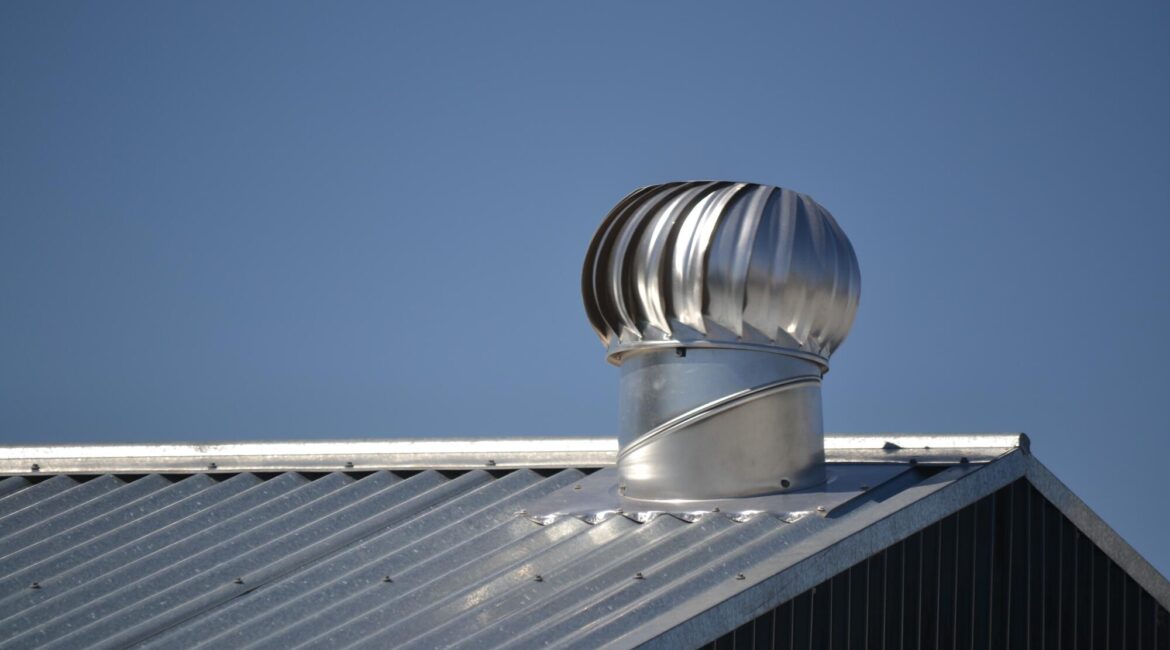
A metal roof requires underlayment, measuring and cutting metal pieces to size, and attaching them alongside components like drip edges and ridge caps. These all allow the roof to insulate the home, resist weather conditions, and protect your home from damage.
According to RubyHome, metal roofs are becoming more popular and currently account for about 1 in 10 roofing projects. There’s a good reason for that, as they last a long time and come with excellent weather resistance.
So, how is a metal roof installed, and why should you get one?
Why Homeowners Choose Metal Roofing
Homeowners should know some of the metal roof benefits and why professional roofing companies might suggest them for a home.
Compared to traditional asphalt shingles, metal roofing offers several advantages that appeal to property owners of all kinds. Some notable benefits include:
- Exceptional durability and longevity
- Resistance ot fire, wind, and severe weather
- Energy efficiency through heat reflection
- Low maintenance requirements
- Environmentally friendly
- Increased property value and curb appeal
The best time to transition to a metal roof is when your old roof reaches the end of its lifespan. Maybe you notice damaged shingles or granules collecting in your gutters. Low energy efficiency and poor ventilation are also reasons to upgrade and replace your roof.
Types of Metal Roofing Materials
There is a wide variety of metal roofing types available for your home. In terms of materials, you have options such as aluminum, copper, and zinc. As for panels, there are corrugated metal panels, snap lock panels, and much more. The quality of the metal roofing panels you choose affects both how the roof looks and how well it performs, so it is worth comparing gauges, coatings, and finishes before you decide.
When you meet with your metal roofer, always make sure to discuss your options.
For example, a steel roof provides durability, affordability, and comes in a variety of finishes. Meanwhile, an aluminum roof is more lightweight and resistant to corrosion, making it a good choice for coastal areas with salty air. Whichever option you choose, quality matters, because cheaper panels can fade, dent, or corrode sooner, so many homeowners pay a little more for metal roofing panels that will last for decades.
How Is a Metal Roof Installed?
The roof installation process involves several important steps that require precision and expertise. Hiring an experienced roofer ensures the roof performs as expected for many years.
1. Inspection and Roof Preparation
The first step in the process is a complete inspection of the existing roof structure. Contractors check for water damage, rot, and mold that could compromise the new roof.
If necessary, old roofing materials are removed before installation begins. Contractors also confirm they have safe access to the roof and check that the deck can support the weight of the new panels.
2. Installing the Underlayment
After preparing the roof deck, contractors install an underlayment layer. This moisture barrier protects the home from water infiltration and condensation.
3. Measuring and Cutting Metal Panels
Metal roof installation requires precise measurements. Contractors measure the roof dimensions carefully to ensure each panel fits well. Metal panels are then cut according to the roof layout, taking into account features like chimneys and skylights. Accurate measurement is essential here, because every panel is cut to length with sharp metal cutting tools so the edges stay clean and the pieces overlap correctly once installed. Some panels also need to bend or fold along the edges so they lock together, and any panel that has to bend around a vent or valley is shaped before it goes up.
4. Installing Drip Edge and Flashing
Before the panels are attached, installers place drip edges along the roof perimeter. These components direct water away from the fascia and foundation. Flashing is also installed to prevent leaks in vulnerable areas. Drip edges run along the eaves and the rest of the roof perimeter, while flashing seals the joints where the roof meets a wall, chimney, or skylight. A bead of sealant along these areas adds another layer of protection.
5. Attaching the Metal Panels
The metal panels are next installed, beginning at one edge of the roof and working across the surface. Panels are secured using special screws or concealed fastener systems. Installers fasten the panels in a steady row across the roofline, and each panel is set to overlap the one beside it to create a watertight seal. The metal roofing panels run from the ridge down to the eaves, and each row covers the fasteners of the one before it for a clean, weatherproof result.
6. Installing Ridge Caps and Finishing Components
After all panels are secured, ridge caps are installed along the roof peaks. These protect the highest points from water intrusion while allowing ventilation where necessary. The caps cover the line where two roof slopes meet at the intersection, sealing one of the most exposed parts of the roof.
Other finishing components include:
- Snow guards
- Ventilation systems
- Pipe boots
- Sealants
- Trim pieces
These finishing touches, from a clean bead of sealant to neatly fitted gable trim, protect the roof’s most exposed points and give the project a polished finish.
7. Final Inspection and Cleanup
The final step in the process is a comprehensive inspection. Contractors check for proper fastening, panel alignment, and overall workmanship. The crew also performs a full cleanup, removing things like debris and leftover materials. They also check the eaves, ridges, and valleys one last time to confirm every panel sits flush and stays watertight.
Does Homeowner’s Insurance Go Down With a Metal Roof?
In many cases, your homeowner’s insurance premiums may decrease after installing a metal roof. Insurance companies often recognize the durability and fire resistance of metal roofing systems, which can reduce the likelihood of costly damage claims.
Savings vary depending on the insurer, geographic location, and roofing material selected.
What Are the Downsides of Having a Metal Roof?
Homeowners should weigh the pros and cons before committing to a metal roof.
For example, metal roofs often cost more than asphalt shingles. They make more noise during rainstorms. Large hail or falling branches can dent the material.
With that said, the longer lifespan and durability more than make up for any drawbacks.
Frequently Asked Questions
How Long Does a Metal Roof Installation Take?
Most residential metal roof installations take between a few days and one week. It all depends on the roof size, weather conditions, and project complexity. Larger homes or roofs with multiple angles may require additional time. Limited access to the roof, such as steep pitches or tight site conditions, can also add to the timeline.
Can You Install a Metal Roof Over Shingles?
In some situations, yes. Local building codes and the condition of the existing roof determine whether you can install a metal roof over shingles. A professional roofing contractor can inspect the roof and recommend the best approach.
Are Metal Roofs Energy Efficient?
Yes. Many metal roofing systems reflect solar heat, which can help reduce cooling costs during hot weather. Some roofs also include specialized reflective coatings for added efficiency.
How Long Do Metal Roofs Last?
Depending on the material and maintenance, metal roofs can last 40 to 80 years or longer. This makes them one of the most durable roofing materials available.
Do Metal Roofs Attract Lightning?
For anyone in a region with frequent storms, you don’t have to worry about lightning strikes. If lightning does hit your roof, the metal is non-combustible and can disperse the energy.
How Much Does It Cost to Install Metal Roofing?
The cost to install metal roofing depends on the panel material, roof size, and labor rates in your area. While the upfront price is higher than asphalt shingles, the long lifespan and durability often make it a worthwhile investment.
Invest in a Metal Roof
How is a metal roof installed, then? The process involves assessing the roof, installing underlayment, and installing your new metal roof with precision. Any problems with the installation can lead to intrusive water, poor energy efficiency, and more problems down the line.
North End Contracting has the experience and skills necessary to install your new metal roof so it’ll last and keep your home protected. We also specialize in roof repair and maintenance, which is useful for homes throughout Minnesota. Contact us with details about your roofing needs to get a quote or to ask any questions.