
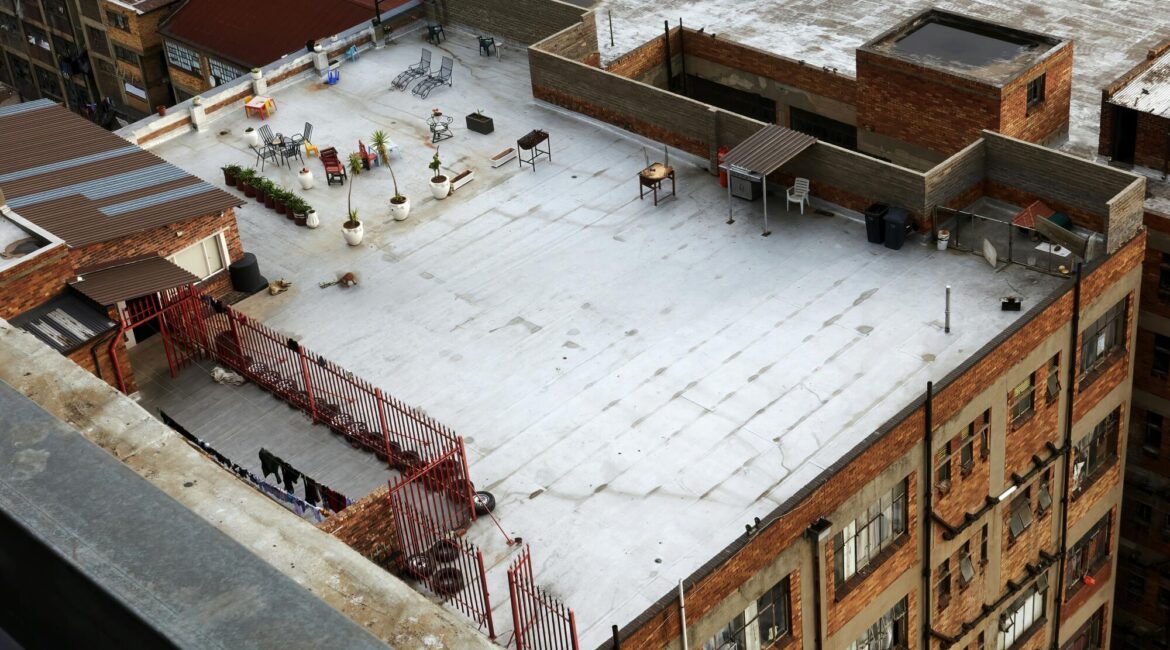
Flat roofs typically last between 15 and 30 years, depending on materials, installation quality, and ongoing care. In some cases, well-maintained systems can reach the upper end of that range, but wear and weather exposure will always affect performance over time.
The average cost of roof replacement is close to $10,000, according to RubyHome, which makes understanding roof longevity an important part of long-term planning for homeowners.
Several roof lifespan factors influence how long a system performs, including climate, drainage, and repair history. Regular flat roof maintenance helps slow deterioration and reduce unexpected costs.
At North End Contracting, we help homeowners assess roof condition, extend service life where possible, and plan for repair or replacement when needed. In this blog post, we’ll look at how long does a flat roof last and what impacts that timeline.
What Impacts Flat Roof Lifespan?
Flat roof lifespan depends on a mix of environmental and structural conditions. Firstly, material choice plays a major role, with systems like EPDM, (ethylene propylene diene monomer), TPO (thermoplastic polyolefin), and modified bitumen all offering different levels of durability. PVC (polyvinyl chloride) is another durable option used across residential homes and commercial buildings. Each reacts differently to:
- Temperature changes
- UV rays, UV damage, and weather resistance
- Moisture
Climate is another key factor, and here in Minnesota, repeated freeze-thaw cycles put extra stress on roofing systems and can cause seams to weaken over time. Heavy snow, high winds, and ice also increase strain on the roof, and when drainage is restricted, melting water can begin to pool and speed up wear.
Installation quality is equally important, as even strong materials can fail early if waterproofing, flashing details, or joints are not properly sealed during construction. At North End Contracting, we often see early issues linked to workmanship rather than product failure.
Regular upkeep also affects performance. Simple flat roof maintenance, such as clearing debris and checking drainage points, helps extend lifespan and reduce the risk of leaks or surface damage over time.
How Often Should a Flat Roof Be Replaced?
Flat roof replacement timelines typically range from 15 to 30 years, depending on condition and material type. Some roofs may require earlier replacement if damage builds up over time, while others last longer with regular maintenance and consistent care. Signs that replacement may be approaching include:
- Frequent leaks
- Widespread surface wear
- Failing seams
At North End Contracting, we often assess whether repair work is still effective or if a new roof is more cost-efficient for the homeowner.
Age is an important consideration, but it is not the only factor. A roof near the end of its expected lifespan may still function, yet hidden issues can develop beneath the surface.
Regular inspections help identify when repairs are no longer enough. We look at drainage performance, surface condition, and underlying structure to determine remaining service life and guide homeowners toward the right decision at the right time.
Can a Flat Roof Last 30 Years?
As noted above, a flat roof can last 30 years, but this outcome depends on several conditions aligning over time. High-quality materials, proper installation, and consistent maintenance all play a role in reaching this level of longevity.
At North End Contracting, we see the longest-lasting roofs are usually those that receive routine inspections and early repairs. Small issues such as minor cracks, drainage problems, or frequent repairs are addressed before they expand into larger damage. In the roofing industry, this kind of proactive approach is what separates roofs that last decades from those that don’t.
Weather exposure also influences lifespan, as heavy snow, ice buildup, and strong seasonal changes place extra stress on roofing systems, especially in colder climates. Over time, this can shorten performance even when materials are high quality.
Homeowners who reach the 20 to 25-year mark should start planning ahead. Even if the roof appears stable, hidden wear can develop beneath the surface. A professional inspection helps clarify whether continued use is realistic or if replacement should be considered.
Common Problems That Reduce Flat Roof Lifespan
Several issues can shorten the lifespan of a flat roof, especially when they go unnoticed. Water pooling is one of the most common problems. Flat roofs rely on proper drainage, and pooling water can slowly weaken materials. Gutters and drains that don’t drain properly make this worse.
Flashing failure is another frequent concern. Flashing protects edges, joints, and penetrations, and when it begins to separate, water can enter the roof system and cause structural damage over time. At North End Contracting, we often find leaks starting at these weak points.
Surface damage also plays a role, and punctures, blisters, and cracks can develop from weather, UV damage, foot traffic, or debris. Over time, even small defects can lead to a shorter lifespan if not caught early. Over time, even small defects can expand and affect larger sections of the roof.
Aging materials naturally lose flexibility. As roofing systems get older, they become more vulnerable to stress and temperature changes. Regular inspections help identify these issues early and allow for targeted repairs before major deterioration occurs.
Frequently Asked Questions
Do Flat Roofs Need More Inspections Than Pitched Roofs?
Flat roofs often benefit from more frequent checks because water does not run off as quickly as on sloped roofs. Small issues like blocked drainage or surface wear can develop faster. Regular inspections help identify problems early and reduce long-term repair costs.
What Role Does Drainage Play In Flat Roof Lifespan?
Drainage is one of the most important factors in roof performance. When water is able to flow off properly – through gutters and drains that drain properly – the roof lasts longer. Poor drainage can lead to standing water, which increases stress on materials and can shorten overall lifespan.
Can Weather In Minnesota Damage A Flat Roof Faster?
Yes, Minnesota weather can speed up wear. Heavy snow, ice buildup, and freeze-thaw cycles place extra pressure on roofing systems. These conditions can weaken seams and increase the risk of small leaks forming over time.
When Should A Flat Roof Be Professionally Checked?
A flat roof should be checked after major storms and on a regular schedule throughout the year. Early inspections help catch small issues before they develop into larger structural problems or costly repairs.
What Is the Maximum Lifespan of a Flat Roof?
With high-quality materials, professional installation, and consistent maintenance, the maximum lifespan of a flat roof can reach 30 years or more. Reaching that ceiling depends on catching issues early and keeping up with regular care.
How Does Roof Maintenance Extend Flat Roof Life?
Roof maintenance is one of the most cost-effective things you can do for your flat roof. Clearing debris, checking seams, and keeping drainage clear all slow down wear. Roofs that receive consistent roof maintenance routinely outlast neglected systems by years.
When Does a Flat Roof Need Replacement Instead of Repair?
Flat roof replacement makes sense when leaks are frequent, repair costs are stacking up, or the system is near the end of its expected lifespan. A roofing contractor can help determine which option is the better investment for your situation.
Do Flat Roofs Perform Differently Than Asphalt Shingles?
Yes. Asphalt shingles on pitched roofs shed water naturally, while flat roofs rely on drainage systems to move water off. This makes maintenance more critical for flat roofing systems and means different flat roof materials are needed compared to sloped roof applications.
Are Flat Roofs Common on Residential Homes?
Flat roofs are used on residential homes as well as commercial buildings – often on additions, garages, or modern-style construction. The same maintenance principles apply regardless of building type.
Which Roofing Material Lasts the Longest on a Flat Roof?
EPDM and TPO are among the most durable options, with each capable of reaching 25-30 years when properly installed and maintained. The best roofing material for your building depends on your climate, budget, and roof structure.
How Do I Know If I Need a Roof Replacement?
If leaks are recurring, seams are failing across multiple areas, or the system is past 20 years old, roof replacement is likely the smarter investment. A roofing contractor can inspect the underlying structure and help you decide.
Guide to How Long Does a Flat Roof Last
Flat roof lifespan depends on materials, weather exposure, and ongoing care, but most systems last between 15 and 30 years. Understanding how long does a flat roof last helps homeowners plan for repairs and avoid unexpected costs. Strong flat roof durability comes from regular inspections and timely maintenance.
At North End Contracting, we provide expert assessments and repair solutions to help extend roof life. Contact our team to schedule an inspection and protect your home with long-lasting roofing support.